“No science can achieve maturity without a system of measurement.” -Logan Clendening
Our world runs on light. From the screens on our phones to the street lamps that help us see the roads in the middle of the night.. But many people forget how much light has forged our kitchens, fixed our bones, and taught our ancestors about the stars. But what is it? Light in short, is energy. As photons produce energy, light begins to emit. Imagine a coiled stove top, or an old cigarette lighter in a car, as energy produces heat, light starts to emit. So we know light is energy, but how do we measure that energy? We use three key things to measure light. Its brightness, its color, and we are able to measure the photons (or particles) as waves. Light has a wave length, and when I change the length of that wave, the light changes color. Colors, and wavelengths go hand and hand. But let me put a pin in that for a second, and talk about something else before I tie it all together.
When we tried to harness electricity a lot of early work was done by Benjamin Franklin. Although a voice in the founding fathers, Benjamin Franklin was also a frontier scientist. He wrote a book called Experiments and Observations on Electricity. This book began the thought of what electricity is, what carries it, and how it works? Then we found magnetism. This is what got Albert Einstein into physics. He saw the force of a magnet affecting an object without touching it and began to wonder what that force was.. Then a physicist named Micheal Faraday, without a single math equation in his papers, found an entire field which was later dedicated to him. The magnetic field. Eventually Micheal Faraday was able to find the Electric field. He realized that magnets can affect electricity, and vice versa. So he deduced that these two energies must be the same coin. He had to figure out a way to measure this phenomenon and this is where an Amp was created. If you take an electrical current and put it through an object, the ampometer starts to wobble and bounce. Using this tool of science we were able to understand Electromagnetism.
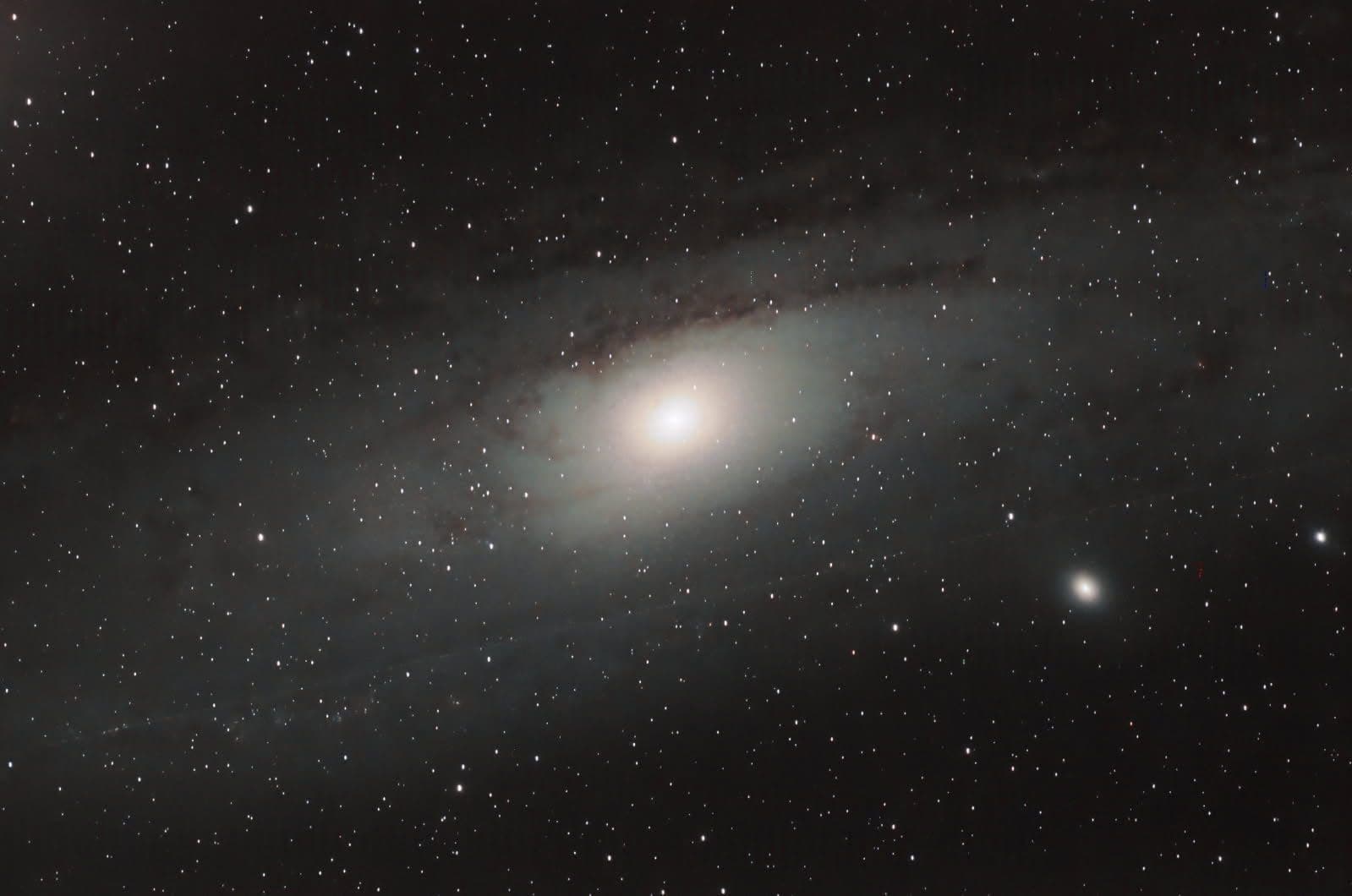
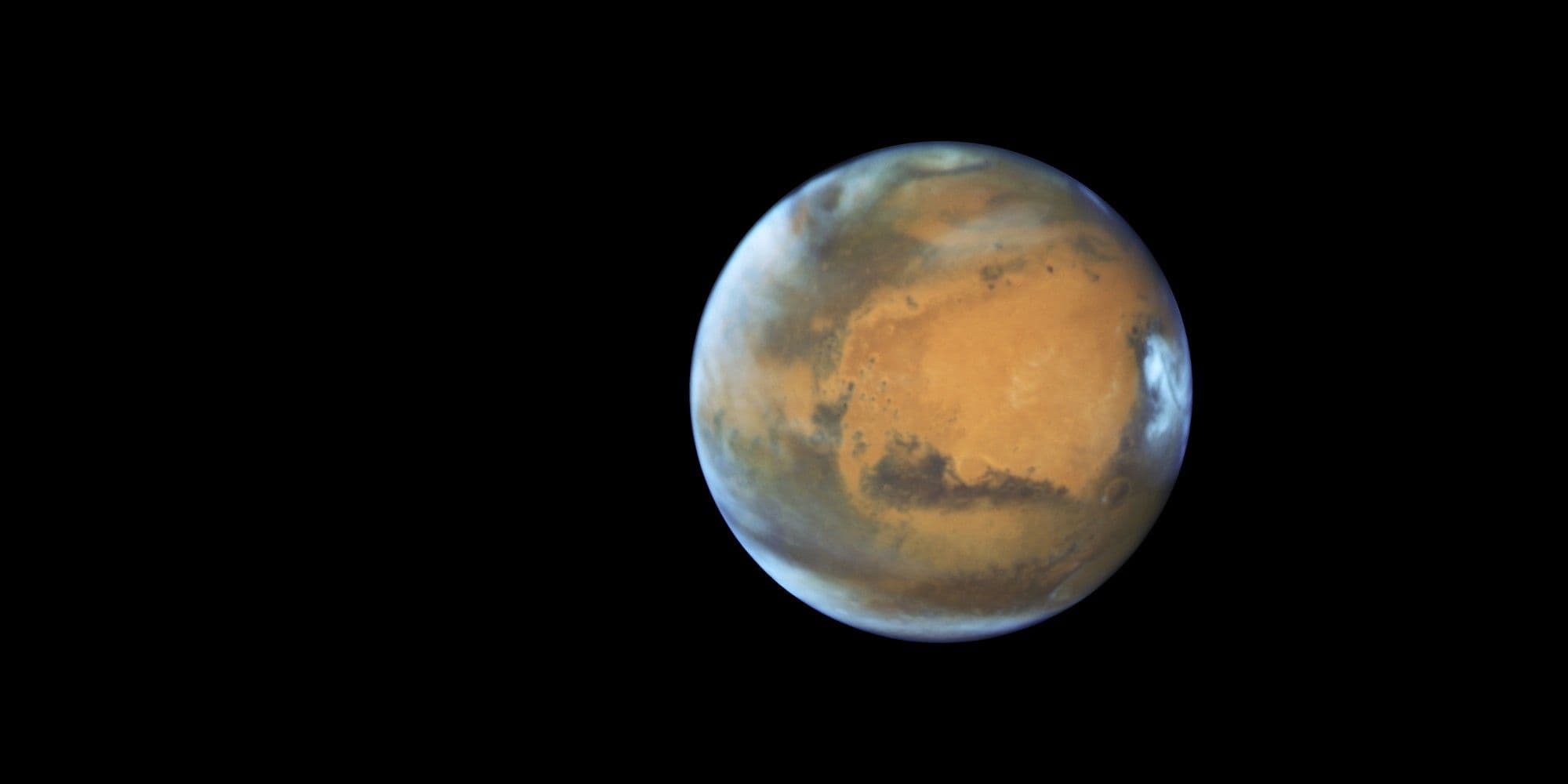
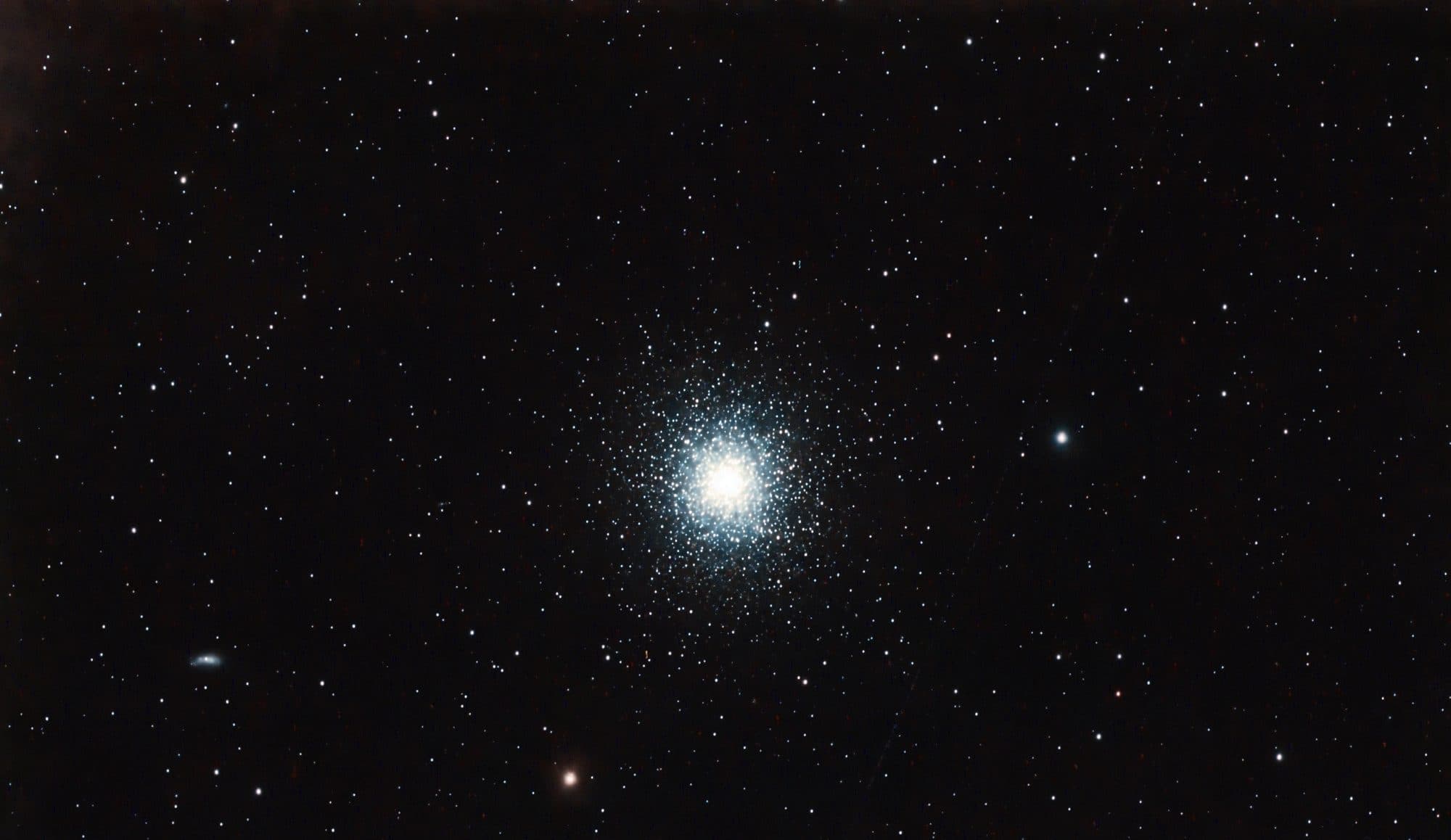
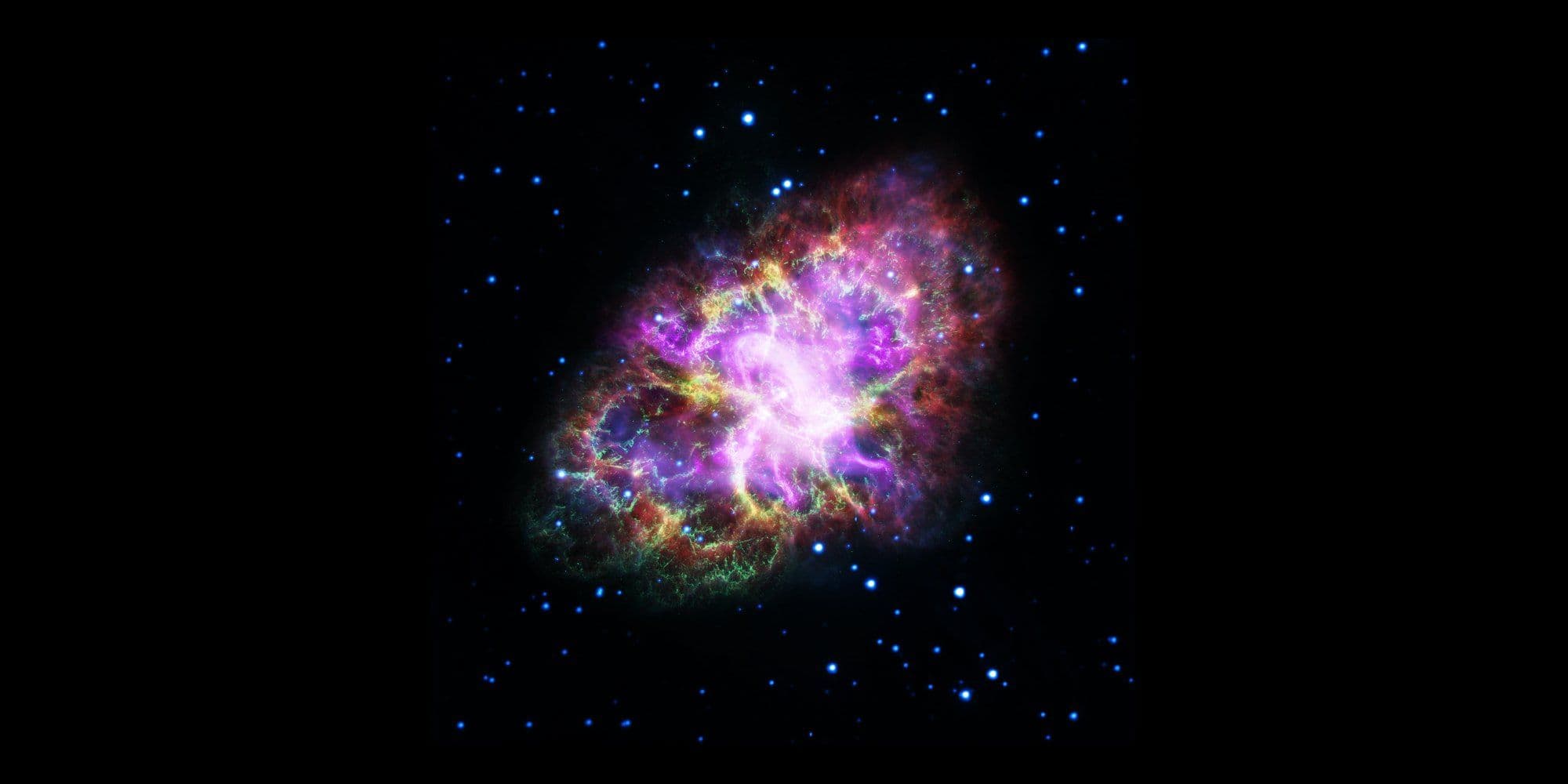
With all this put together, we figured out that Electromagnetism is responsible for creating light, and different wavelengths of light create different kinds of light, and this triumph of 19th century physics gave us the tool we use today called the Electromagnetic Spectrum! So no longer is light just the thing your retina detects, but it is now how we distinguish the wavelengths we can see, to all the wavelengths that are being emitted. Wavelengths come in all sorts of sizes, but one shape. We have big wide gaps between each crest for our radio waves, and those crests tighten closer together as we go up the list to micro waves, infrared and then the visible light we see, to ultra violet, x-ray, and gamma ray waves. The higher the energy the tighter the frequency of the wavelength becomes. These groups are not set in stone rules of what a wavelength can be, but they are more like guidelines for our human brains to understand. So gamma rays have the highest energy of them all, while radio waves are very low energy and long frequencies. When you look at an electromagnetic spectrum you will notice that a lot of our visible light is simply a mere sliver to what is being emitted in the universe. That is why we have built telescopes to help us scan the different colors of space that our eyes cannot see. The Webb telescope can see colors in the infrared spectrum, the Hubble telescope can see Ultraviolet waves, while the Fermi telescope can process wavelengths all the way up to gamma rays. These advancements in technology allows us to see amazing photos of the cosmos. Galaxies clustered together like penguins and nebulas emitting light so old, it saw the dinosaurs rise and fall.
But none of these telescopes could have been created without a small detail in history. The prism. We all know Pink Floyd’s dark side of the moon, and the cover of the album shows a rectangular piece of glass splitting white light into rainbows. This iconic album cover is not just a musical stepping stone for the rock and roll scene of the 70’s but it is also a reference to the one piece of equipment that may have changed physics and astronomy forever. The spectrograph. This tool takes light from elements and spreads it across the visible spectrum. Different elements emit different colors on the visible spectrum, so hydrogen and sulfur emit more red wavelengths and helium and oxygen emit more green and blue wavelengths. Stars are hot balls of dust and gas, so they give off a continuous spectrum, that is they emit light at all wavelengths. However these stars have atmospheres, thin layers of gases that absorb light at specific wavelengths from the light below depending on the elements in them. The result is the continuous spectrum will have gaps in it when we use a spectrograph. At first stars were measured by the strengths of their hydrogen lines, but in 1901 a new system was introduced by spectroscopist Annie Jump Cannon. A few years later a physicist Max Planck solved a thorny problem showing how different objects like stars give off light based on their temperature. These two ideas gave us an amazing advancement in the study of stars.
The electromagnetic field has helped astronomers solve lots of questions like what stars are burning, what elements are created when they die, and how we can use these wavelengths on earth for our own health using x-rays and radio waves. It has allowed us to see the spectrum of light past our own eyes and push science into the universe to observe elements and creations far beyond our own mortality. Waves surround our everyday habits. From the moment our alarms go off, to the lowest hz we can make by forming instruments and sound. Wavelengths have adapted our lifestyle and our discoveries since the dawn of time. And every frequency and amp can help us learn and grow as a whole.