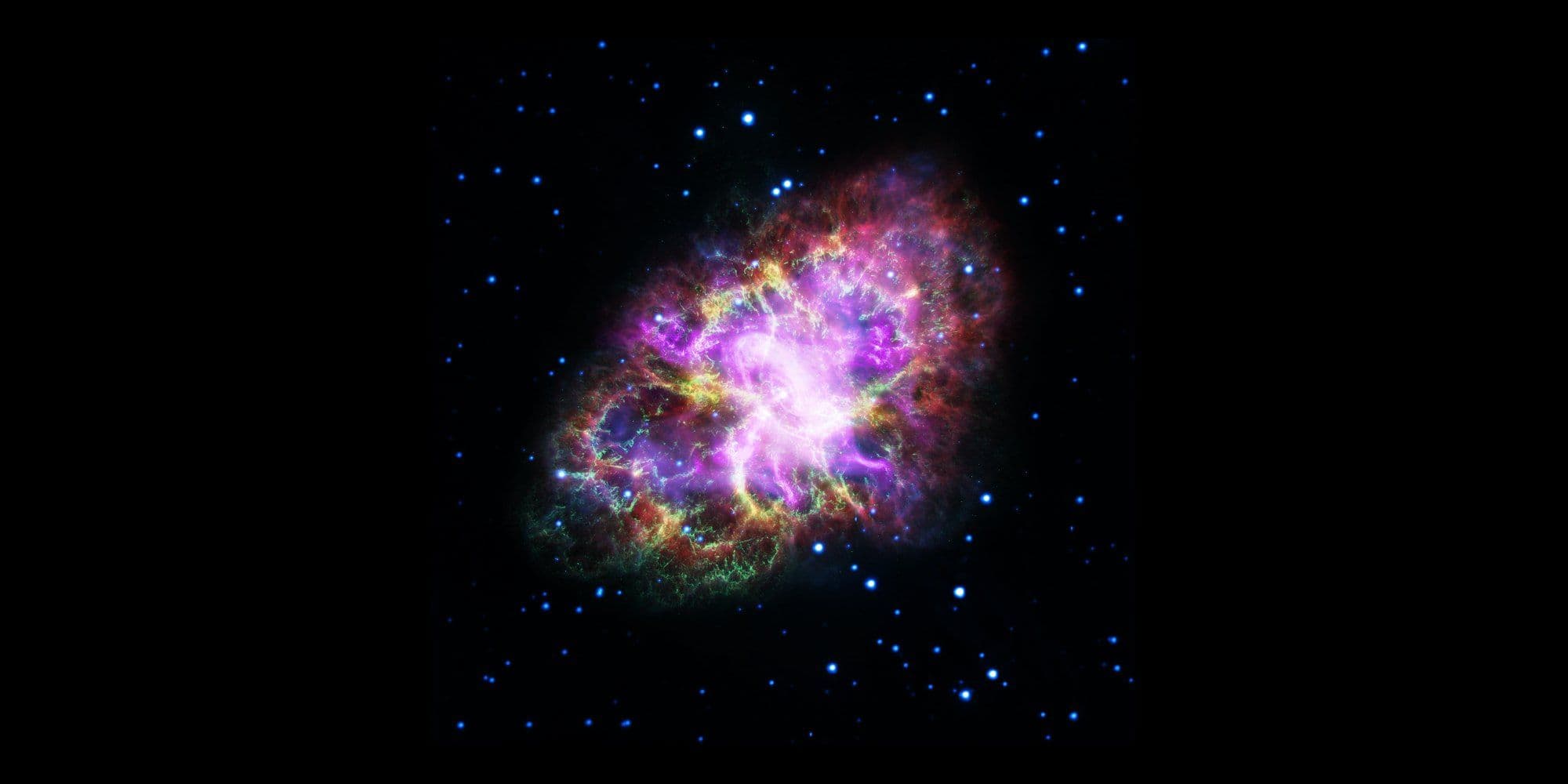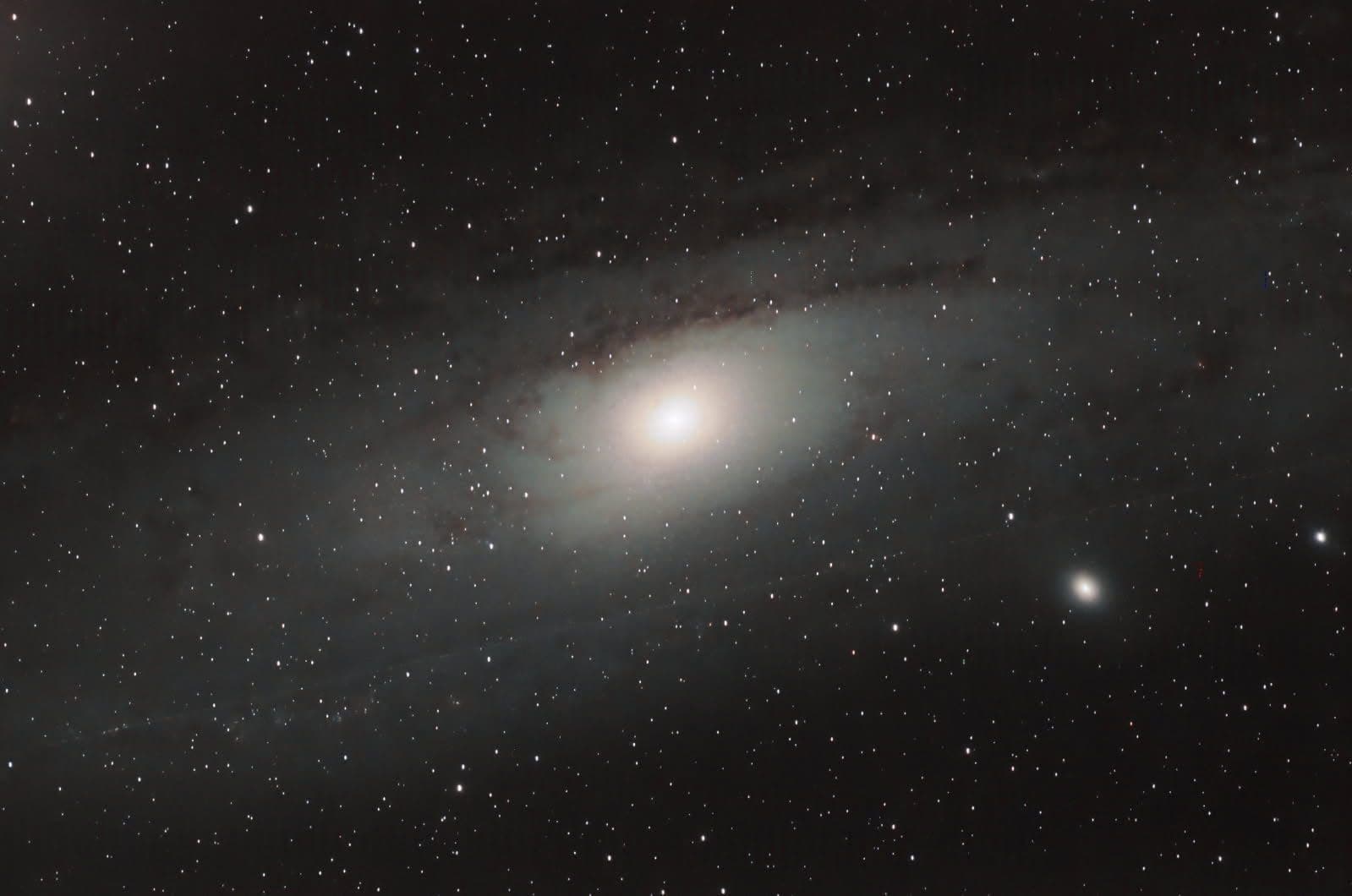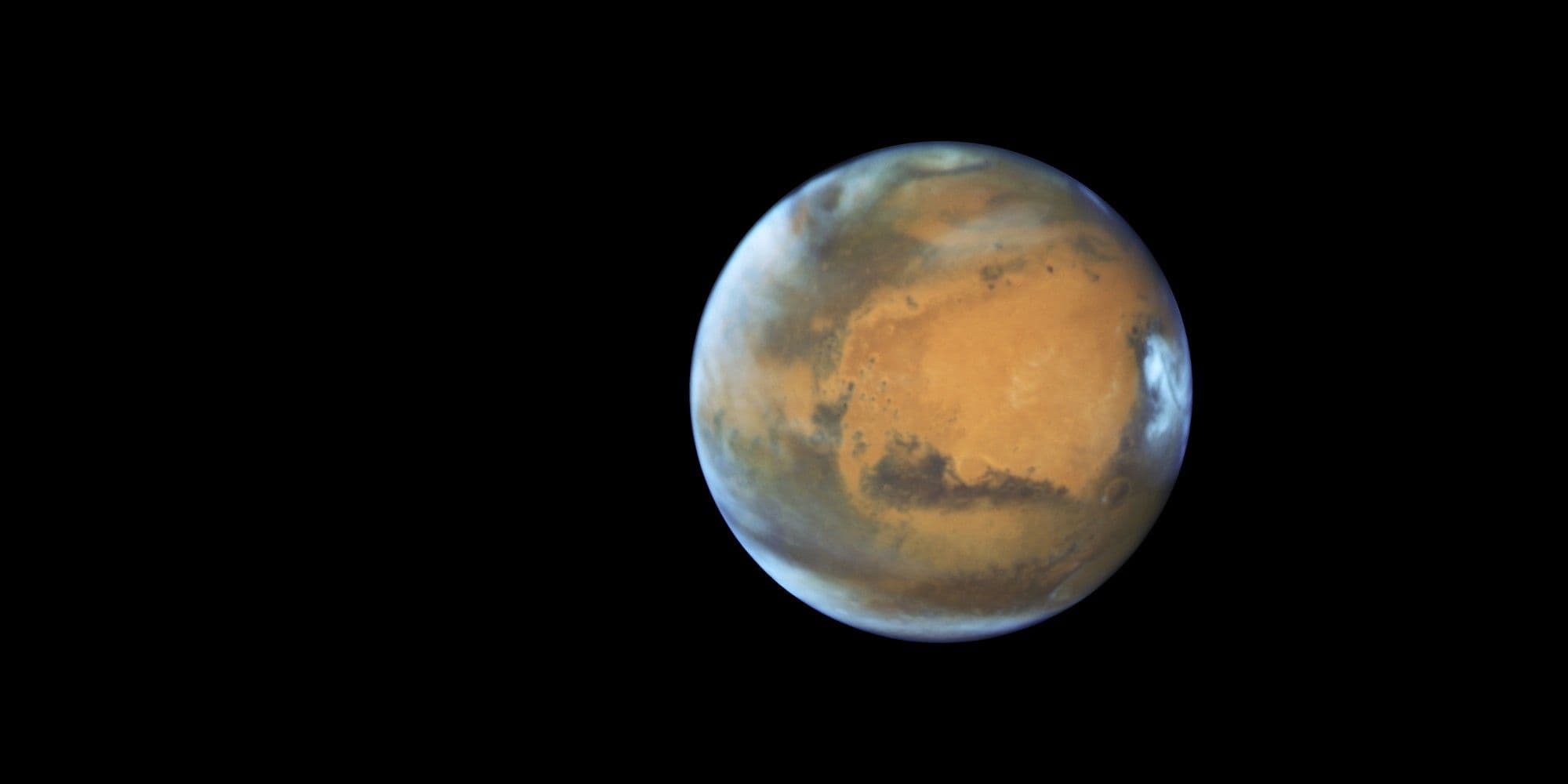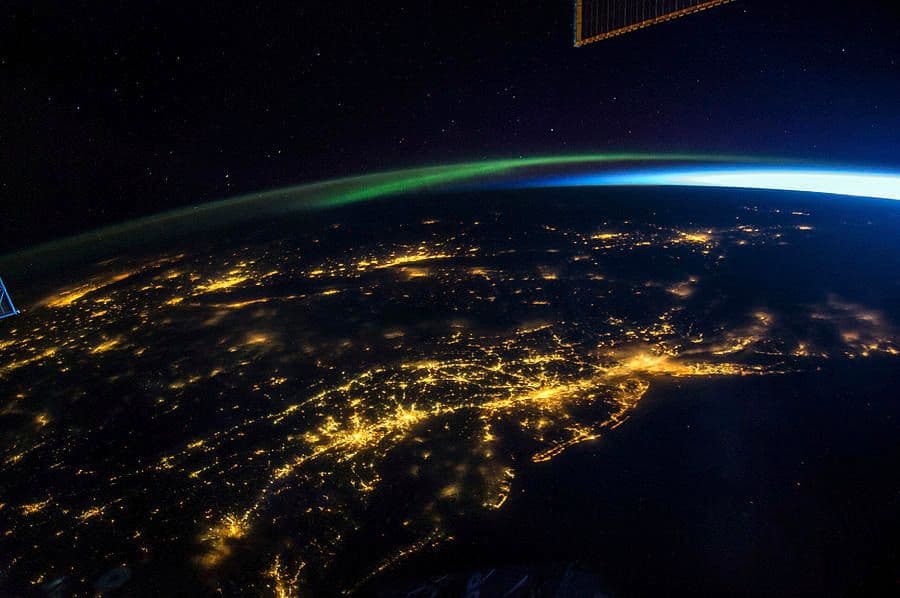
As our cities grow brighter, our night sky is shrinking, at least from where we stand. Light pollution plagues the Earth and as it expands it means many people alive today have never seen the Milky Way with their own eyes.
Light pollution, by definition, is the excessive or misdirected use of artificial light that can impact our ability to view natural light such as the stars. We use the Bortle scale, created by amateur astronomer John E. Bortle, to determine the amount of, or rather, lack of light in a certain area. The scale goes from 1 to 9 with 1 being the best (places like remote areas of Canyonlands National Park) and 9 being the worst (places like downtown Los Angeles).
Light pollution impacts wildlife and ecosystems, energy and climate change, inspiration and discovery, and even human health by:
- Upsetting our circadian rhythms for sleep and melatonin production
- Disrupting animal navigation and migration
- Creating a predation risk
- Increasing impact on climate change by wasting energy
- Affecting the visibility of the stars and sky, causing us to lose our night sky heritage and curiosity
Bird deaths are at an all time high due to artificial lighting affecting their migration patterns and causing disorientation as they head towards city lights. 80% of North American migratory birds make their journeys at night and hundreds of millions of these birds needlessly die each year from colliding with glass.
Many important discoveries happened as our predecessors stood in awe of the stars. Galileo and Copernicus proved the sun was the center of our solar system, Edwin Hubble proved that the universe is much larger than we initially believed, and Native American populations all over used the stars to track agricultural patterns and seasons.
Like air, water, and land pollution, it is our responsibility to limit our impact on the night. Fortunately, unlike other forms of pollution, light pollution is much easier to reverse. We can help by setting timers and motion sensors on lights, shielding light sources, and removing light sources whenever possible from places where it is unnecessary.
As our cities keep growing and we continue to expand our reach, let us not forget the peace that comes from nature. Find time to look up and take in all that the night sky has to offer. If we had never seen the stars, we would have never tried to reach them.
Learn more at darksky.org.