Discover Utah’s World-Class Dark Skies with Bryce Canyon Stargazing
A Moment Visitors Don’t Expect
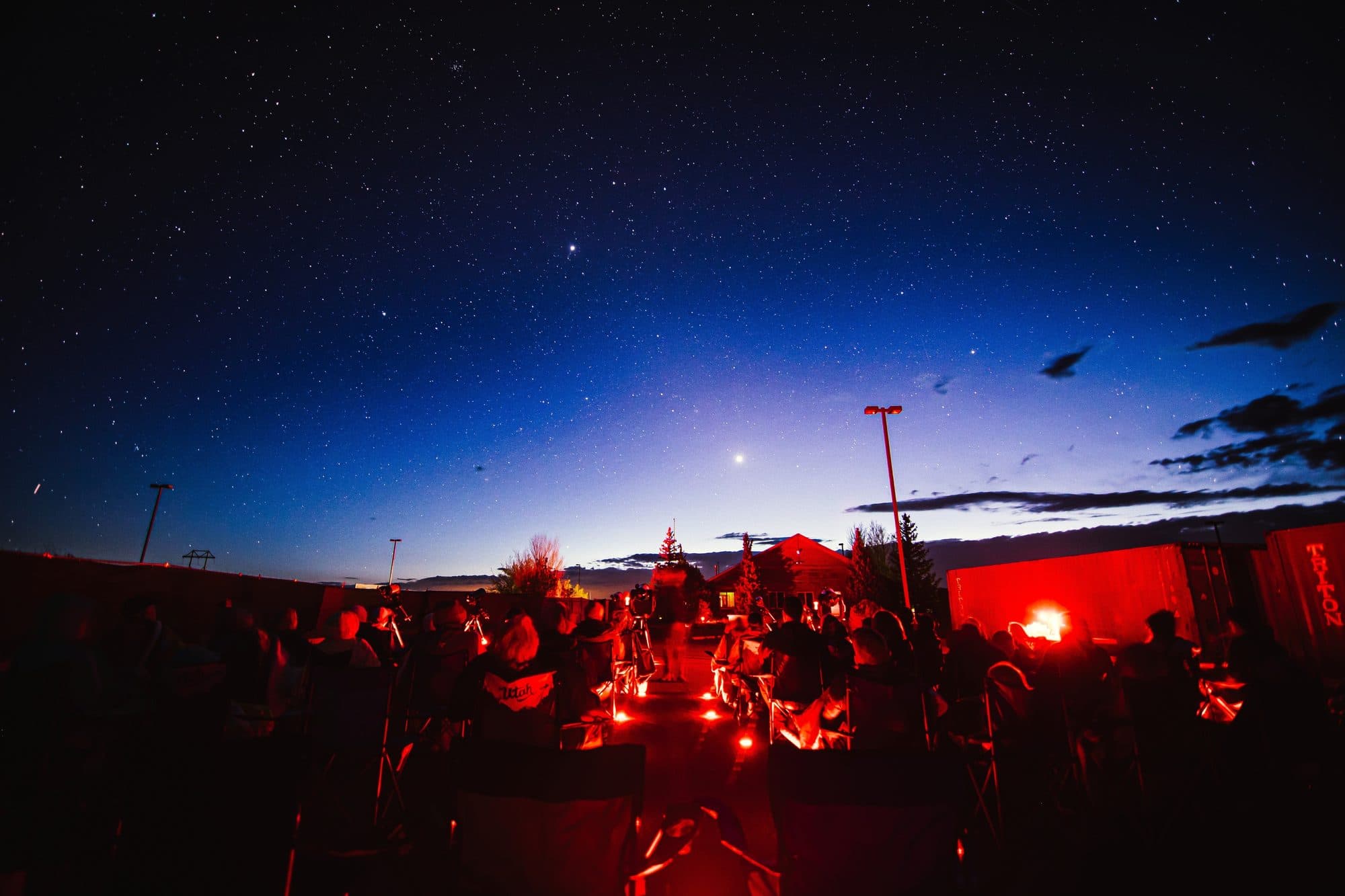
A small group stands quietly along the rim of Bryce Canyon National Park. The sun slipped behind the cliffs about twenty minutes ago, leaving the canyon below in deep shadow. The air cools quickly in the desert after sunset, and the sky above slowly darkens.
At first, it looks ordinary. A few stars appear. Then another. And another.
A visitor from Europe stops walking and tilts her head back toward the sky. More stars begin appearing—faster now. Within minutes, thousands fill the darkness overhead. She whispers something almost everyone says the first time they see a truly dark sky: “I didn’t know there were this many stars.”
For many international travelers visiting southern Utah, that quiet moment becomes the highlight of their entire trip. Not the drive. Not the hiking trails. The sky.
Why Utah Has Some of the Best Stargazing in the World
Utah has quietly become one of the world’s top destinations for stargazing. Thanks to preservation efforts supported by the International Dark-Sky Association, the state now has more certified dark-sky locations than anywhere else on Earth.
Southern Utah’s natural environment makes it ideal for astronomy tourism:
- High elevation desert landscapes
- Extremely dry air with little humidity
- Large protected parks far from major cities
- Communities committed to reducing light pollution
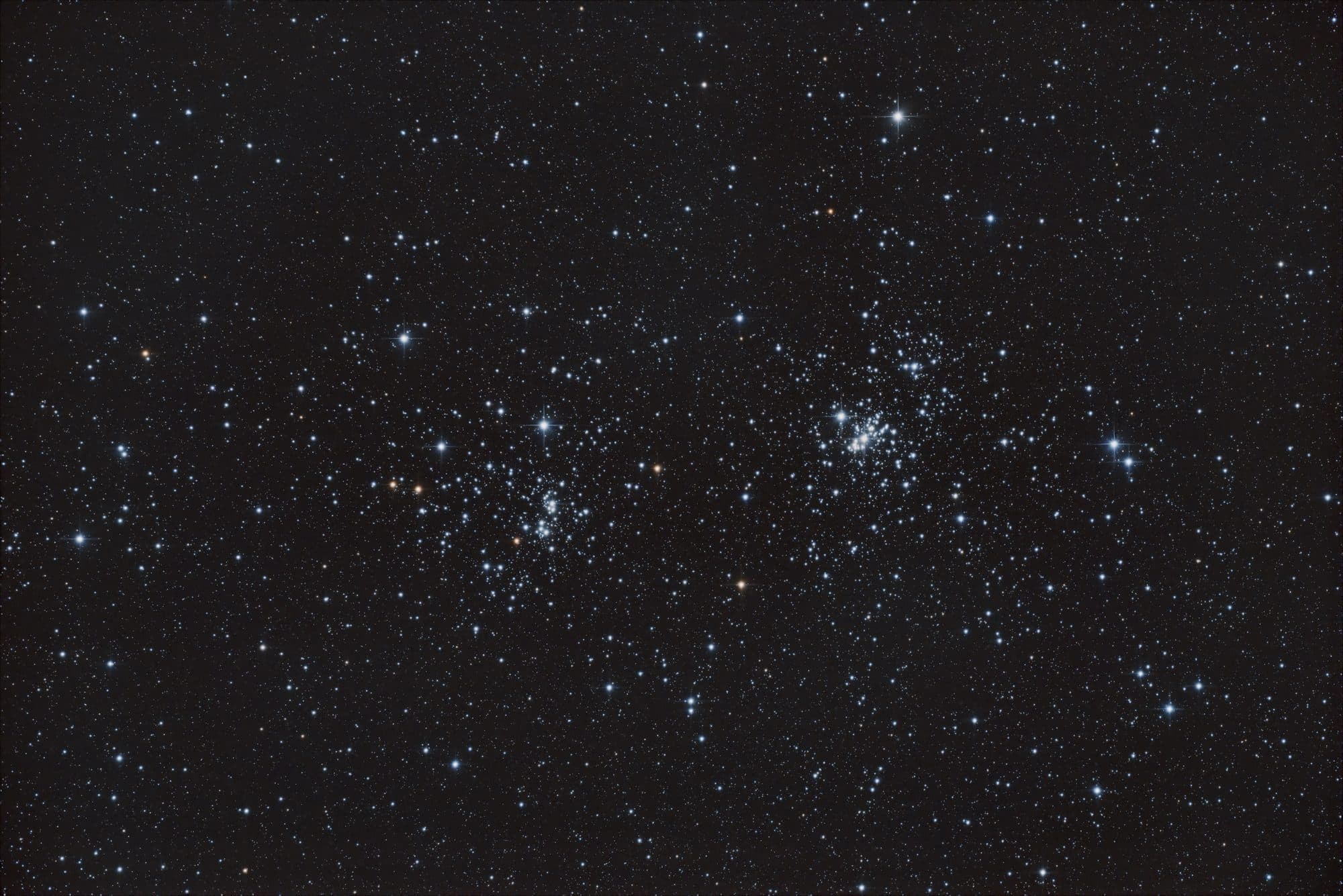
Because of these conditions, the night sky here reveals thousands of stars that simply can’t be seen from most urban areas. For travelers arriving from cities like Tokyo, London, or Paris, the experience can feel almost unbelievable.
Many people have simply never seen a truly dark sky before.
Best Place to See the Milky Way in Utah
Few locations rival the night skies above Bryce Canyon National Park.
During the day, the park is famous for its towering hoodoos and dramatic canyon views. Photographers gather at sunrise and sunset to capture the glowing red rock formations. But after dark, the sky becomes the main attraction.
On moonless nights, the Milky Way stretches across the sky like a pale river of light. Visitors are often surprised by what it actually looks like in person. Instead of the bright photos seen online, it appears as a faint, cloudy band drifting across the darkness. That subtle glow is often the moment people realize just how dark the sky truly is here.
What to Expect on a Bryce Canyon Stargazing Tour
While the naked-eye sky is incredible on its own, guided experiences with Bryce Canyon Stargazing help visitors explore the universe in a deeper way.
Telescopes reveal details that most people have only seen in textbooks. One of the most memorable moments happens when guests look through the telescope and see the rings of Saturn. Almost every group reacts the same way. A pause. Then someone laughs in disbelief. “It looks fake.” But seeing another planet nearly a billion miles away suddenly makes the universe feel much more real.
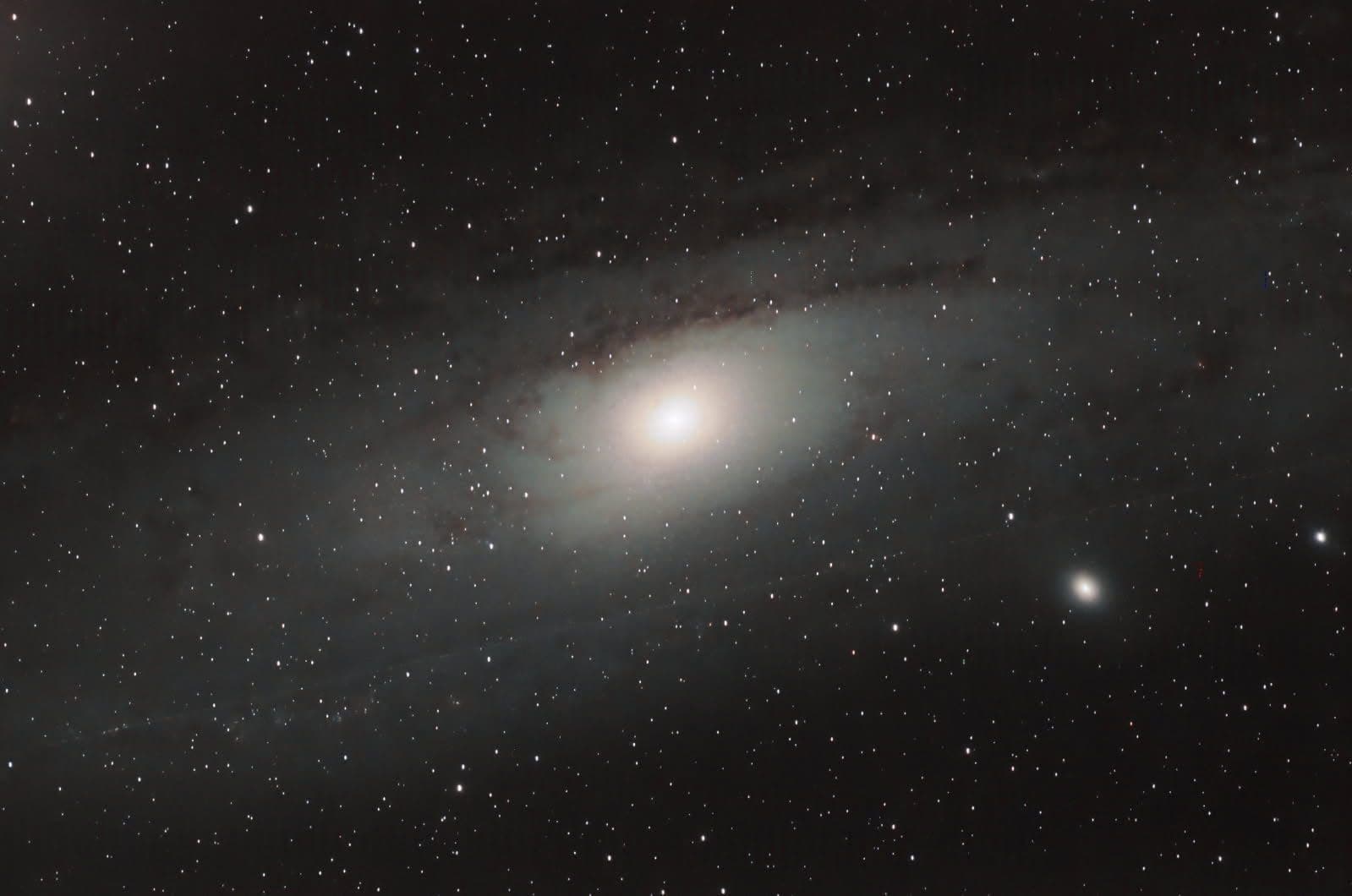
Another favorite is the Andromeda Galaxy. To the naked eye it appears as a faint blur of light, but learning that it’s an entire galaxy more than two million light-years away often leaves visitors speechless.
Other Amazing Dark Sky Parks Near Bryce Canyon
Many travelers visiting southern Utah turn their trip into a full dark-sky road adventure.
Some nearby parks known for incredible night skies include:
Natural Bridges National Monument
Natural Bridges National Monument became the world’s first International Dark Sky Park in 2007 and remains one of the darkest locations in the United States.
Capitol Reef National Park
Wide open landscapes and fewer crowds make Capitol Reef National Park a peaceful place to watch the stars appear one by one as your eyes adjust to the dark.
Goblin Valley State Park
Under the stars, the unusual rock formations of Goblin Valley State Park can look almost alien.
Dead Horse Point State Park
High above the Colorado River canyon system, Dead Horse Point State Park offers sweeping views where the Milky Way often arches across the horizon.
Best Time to Go Stargazing at Bryce Canyon
Stargazing in southern Utah is possible year-round, but certain conditions create especially memorable nights. The best times include:
- New moon phases, when the sky is darkest
- Spring and fall, when nighttime temperatures are comfortable
- Special events like International Dark Sky Week (April 13–20, 2026)
One helpful tip for visitors: give your eyes about 20 minutes to adjust to the darkness. Even brief glances at bright phone screens can make faint stars harder to see.
The Night Sky Visitors Remember Long After Their Trip
After the telescopes are packed away and the group begins heading back toward the parking area, many visitors linger for just a few minutes longer. They take one last look upward. The canyon is invisible in the darkness, but the stars stretch endlessly across the sky.
Guides with Bryce Canyon Stargazing see this moment almost every night. Visitors arrive expecting beautiful landscapes. What they don’t expect is how powerful the night sky can feel when they finally see it without city lights.
For many travelers, that quiet moment beneath the stars becomes the memory they carry home. Because sometimes the most unforgettable part of a journey isn’t the place you traveled to see. It’s the universe waiting above you after the sun goes down.