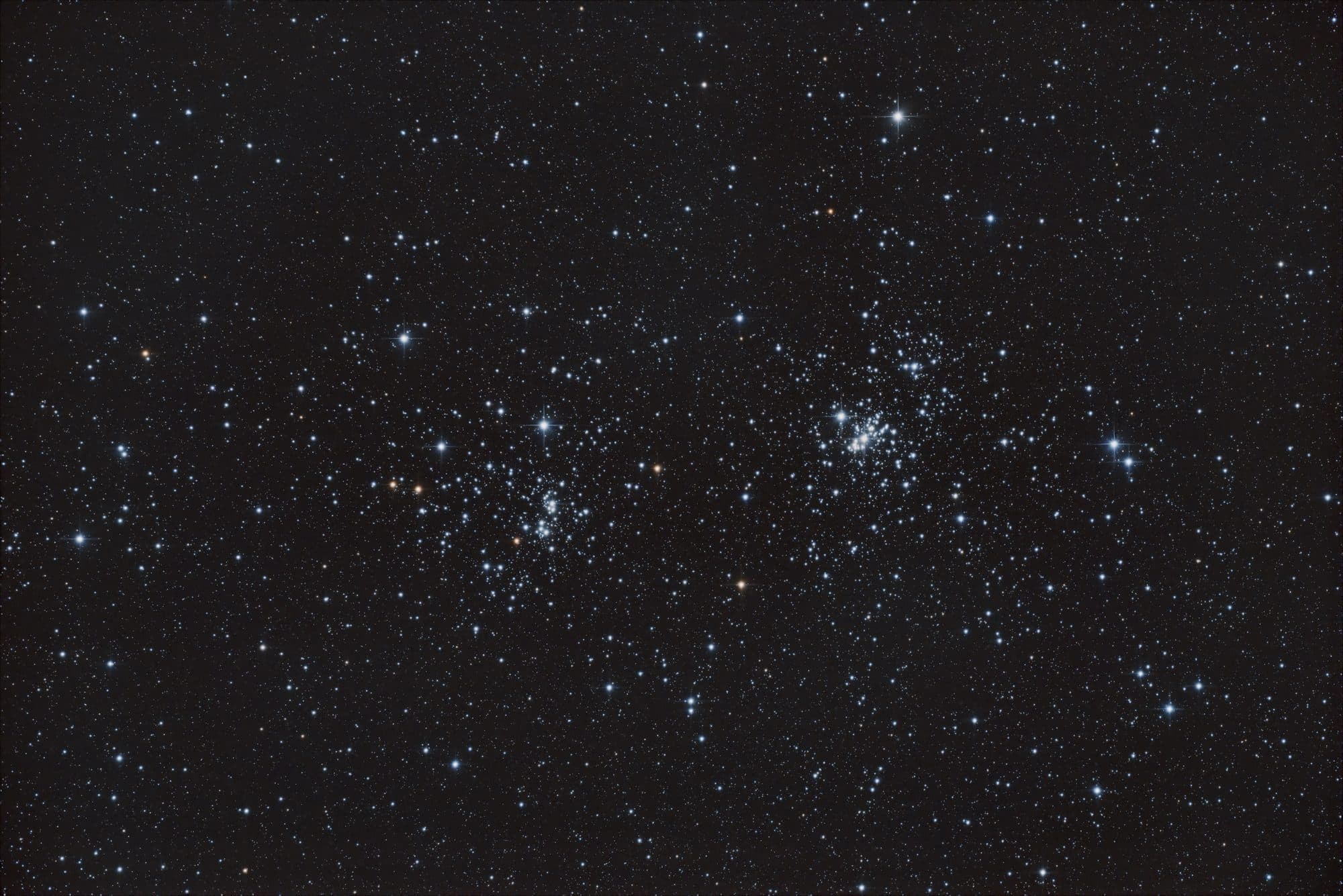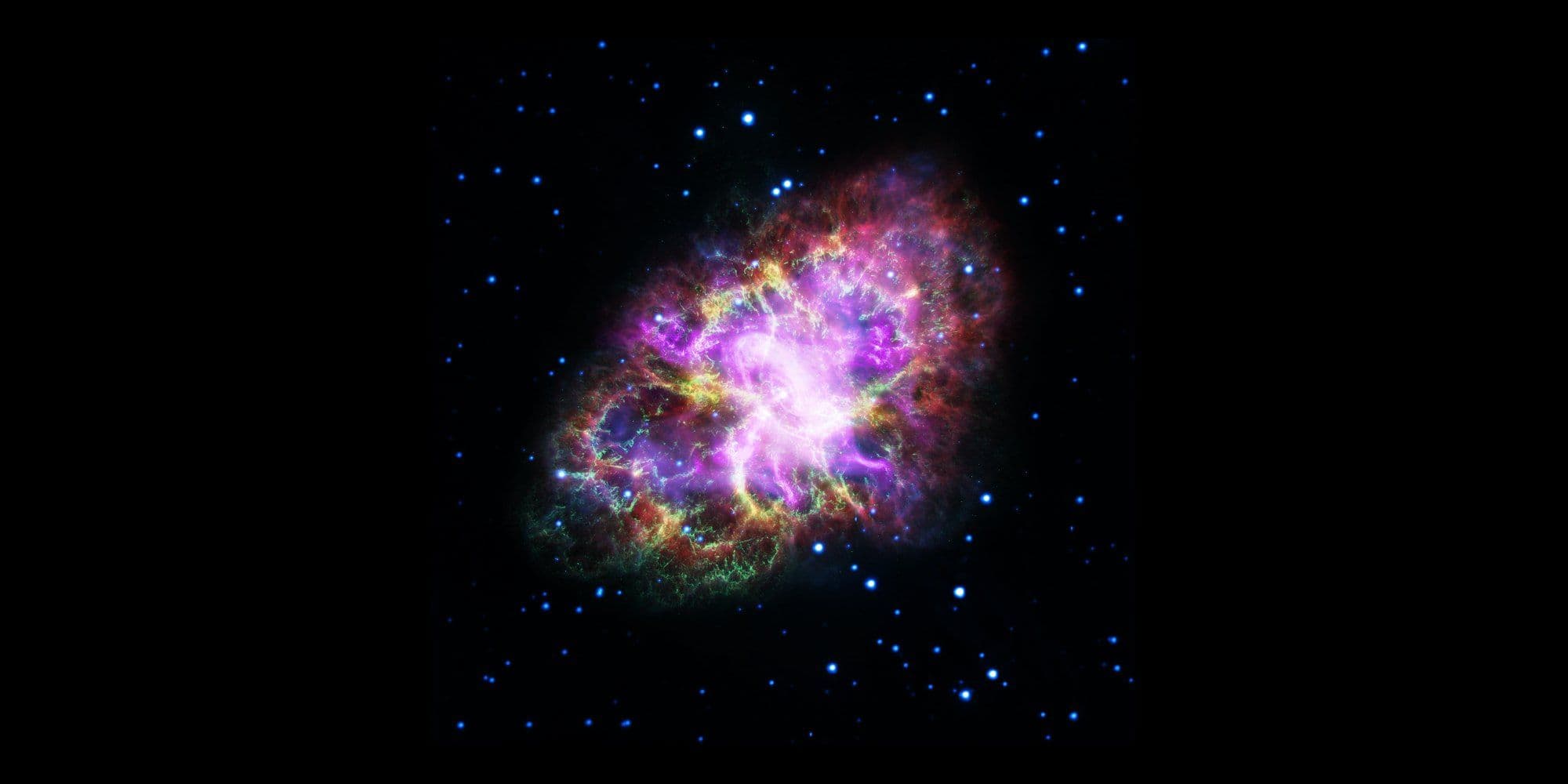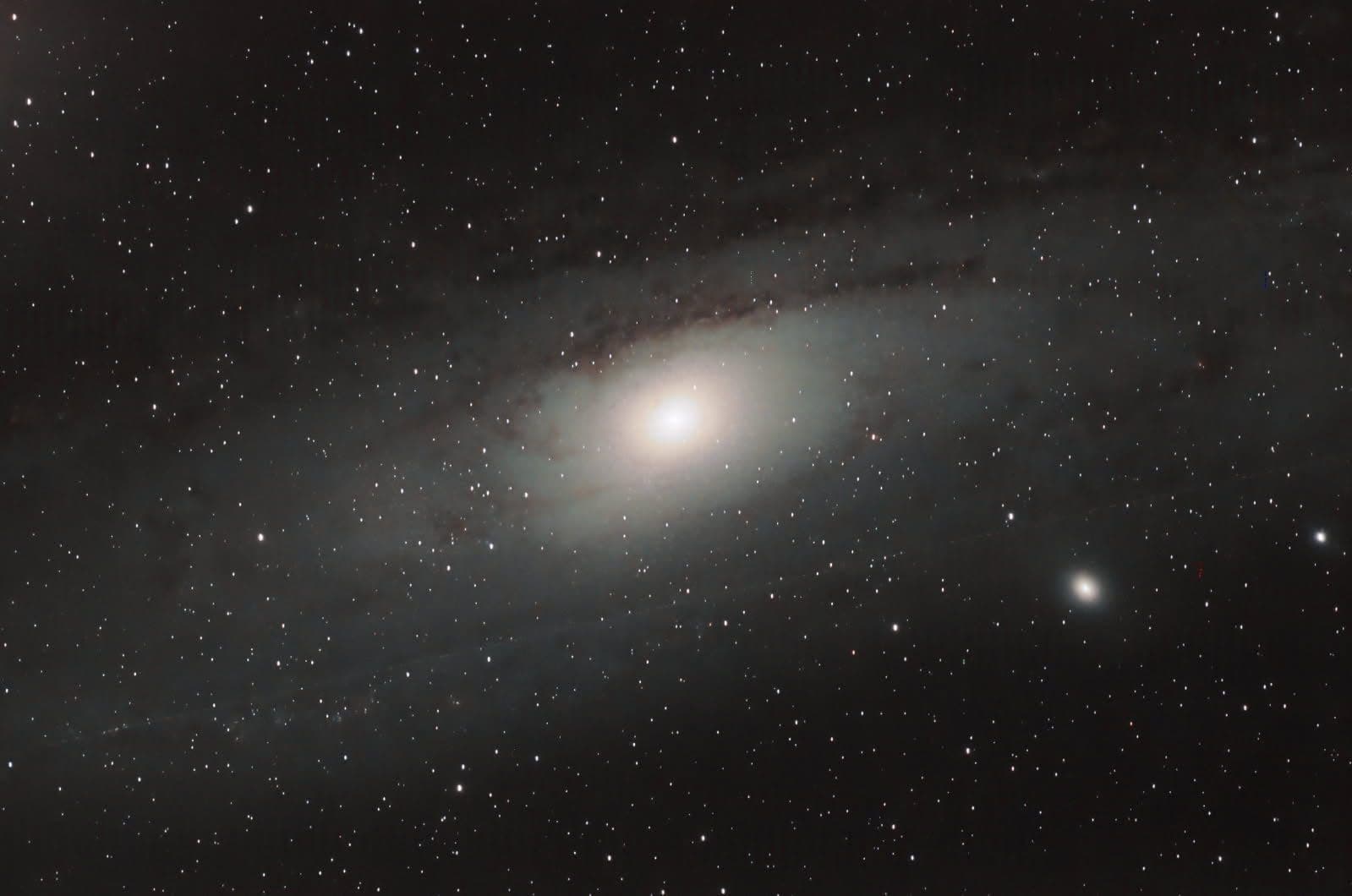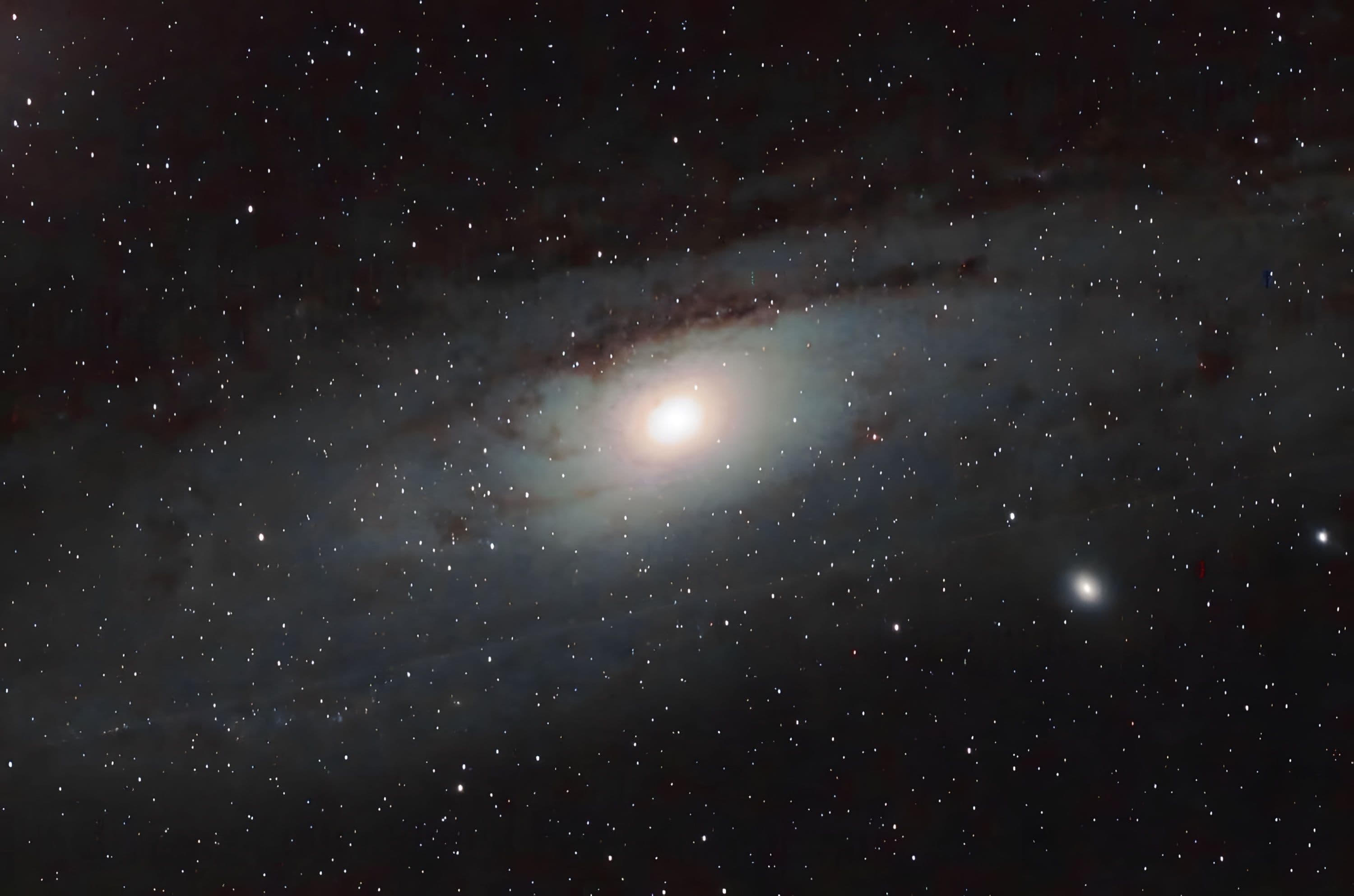
Have you ever wondered how photographers get those stellar photos of the dark sky?
What is it?
Astrophotography, as the name suggests, is astronomy photography or photos of stars. Astrophotographs are taken through a process called long exposure. This can be done on any camera, including the one in your pocket! A long exposure is defined by the number of seconds that the camera is letting light in. So, the length of exposure + light from the stars = photos of the stars!
What is used?
Astrophotography has evolved from the first photo-exposure process using a copper plate and iodine to $2,000-cameras with advanced settings and lenses. Modern-day astrophotographers use just 3 simple tools: a camera, a tripod to support it, and a wide lens. The camera acts as the main tool, as it does most of the work in capturing and processing. The tripod is the support; it holds the camera still while taking the long exposures so camera movements don’t show up in the photo. And the wide lens works to enhance the light so that the end result is a clear image of the stars.
How to? (Smartphone)
You may not believe you can take your very own astrophotography photos, but it is possible! Cell phones now can take long exposure photographs similar to those of professionals. All you need is a tripod or a steady surface. It’s the same idea with the professional cameras; the camera needs to stay still while the exposure is happening.
For iPhone users, you will need to select the expand settings in your camera, and press the button with the moon until it displays the number 10s. Then you mount it onto a steady surface, and it'll change on its own to 30. This means that the exposure will be 30 seconds long, the perfect amount of time to capture all the stars!
For Android users, open your camera app and swipe to Pro Mode. Set your ISO at 500-1600 and your Shutter Speed to 15-30 seconds (this is the exposure time).
What do we use?
Here at Bryce Canyon Stargazing, we use the Celestron Origin. The Origin connects directly to our phones via the Origin app, providing easy access to the settings and photos. We select the deep space objects that we want to photograph, and the Origin broadcasts its own GPS coordinates to track the objects. Once an object is selected, it stacks images on top of each other to reduce camera noise and increase detail. And that is how we capture amazing photos of the night sky and deep sky celestial objects!