On the evening of March 2 and into the early hours of March 3 I had the distinct and most awe-inspiring privilege and experience to simultaneously view and present in real time to guests of Bryce Canyon Stargazing the worm and blood moon Lunar eclipse of 2026! Words fail to describe the raw emotions and literal spiritual goosebumps I encountered in my own mind and soul, but also could observe that the guests and my coworker Isabel were also experiencing.
It had been a windy day like most of late and also quite cloudy and it even snowed for an hour between 9 and 10 PM. But thereafter, as we approached midnight, the skies cleared, the wind died down, although the temperatures dropped dramatically. We had our powerful telescopes calibrated to the star, one set on the moon which followed its course across the sky.
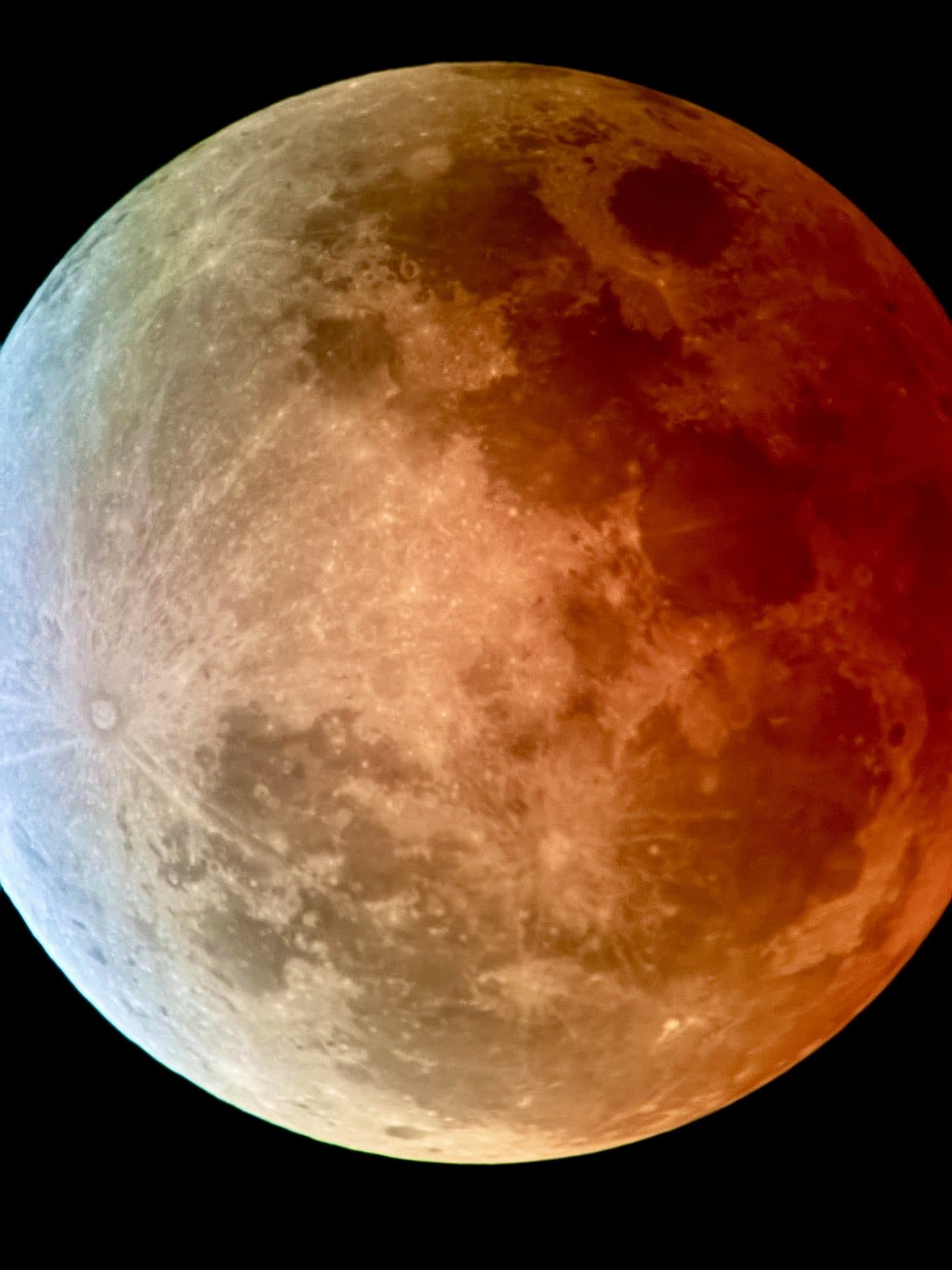
By the time guests arrived at 3 AM The moon had already entered the penumbral phase on the left hand side of its face. For the presentation, we focused on what causes the lunar eclipses and how very rare and special they are. We talked about myths and superstitions regarding the blood moon. All, of course in present day have been debunked. But it’s entertaining to have people put themselves in the shoes of ancient civilizations and understand the disconcerting experience a blood moon would be for them.
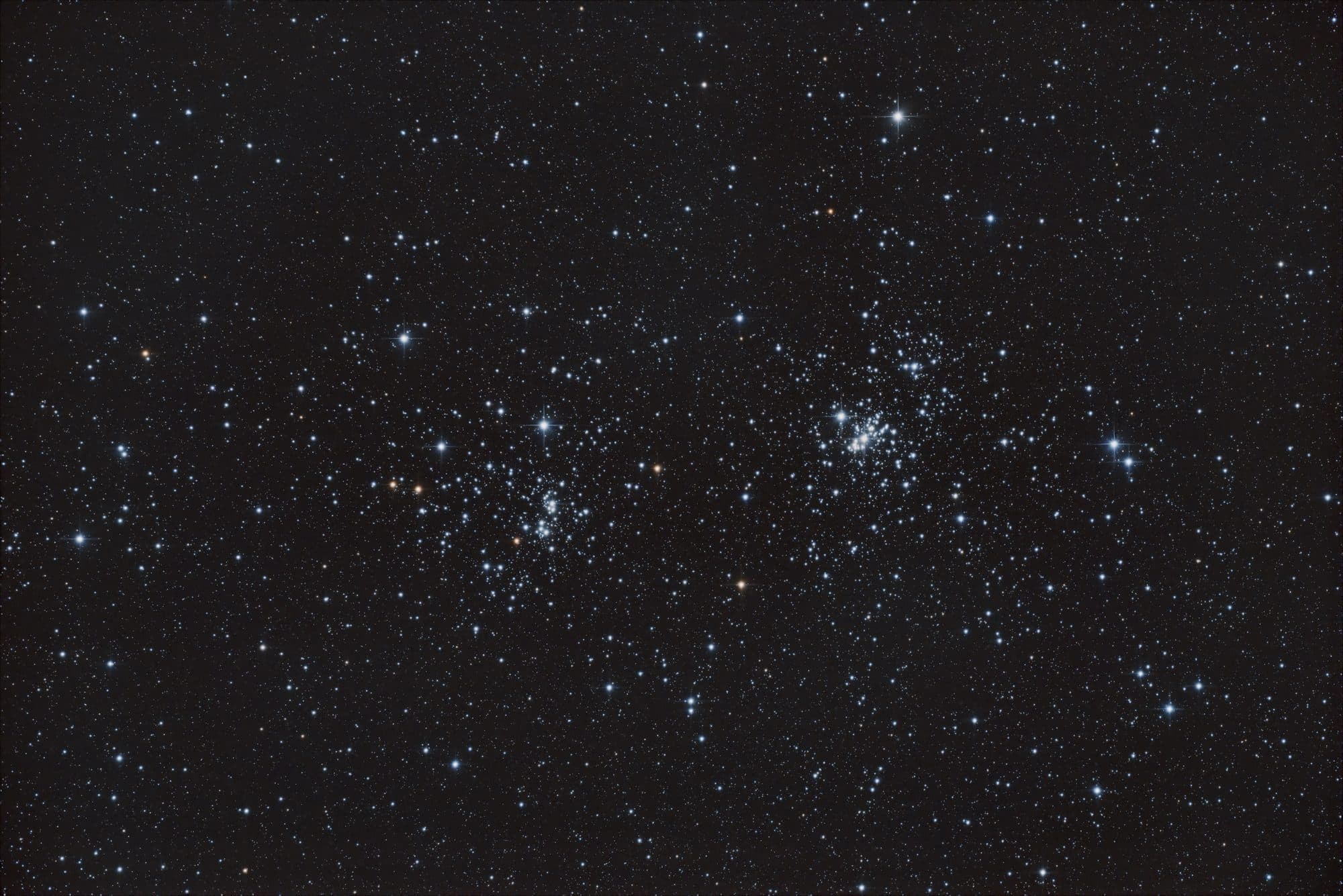
Once the moon had entered into the full Umbra phase of the eclipse, the sky became darker, no moonshine lighting up the ground, and the sky just exploded with billions of stars, including an arch shaped Milky Way visible faintly in the east. We had a full 59 minutes during this darkest phase. The moon was not blood red, but more of a dark copper orange color due to our sky having very little pollution in Bryce Canyon.
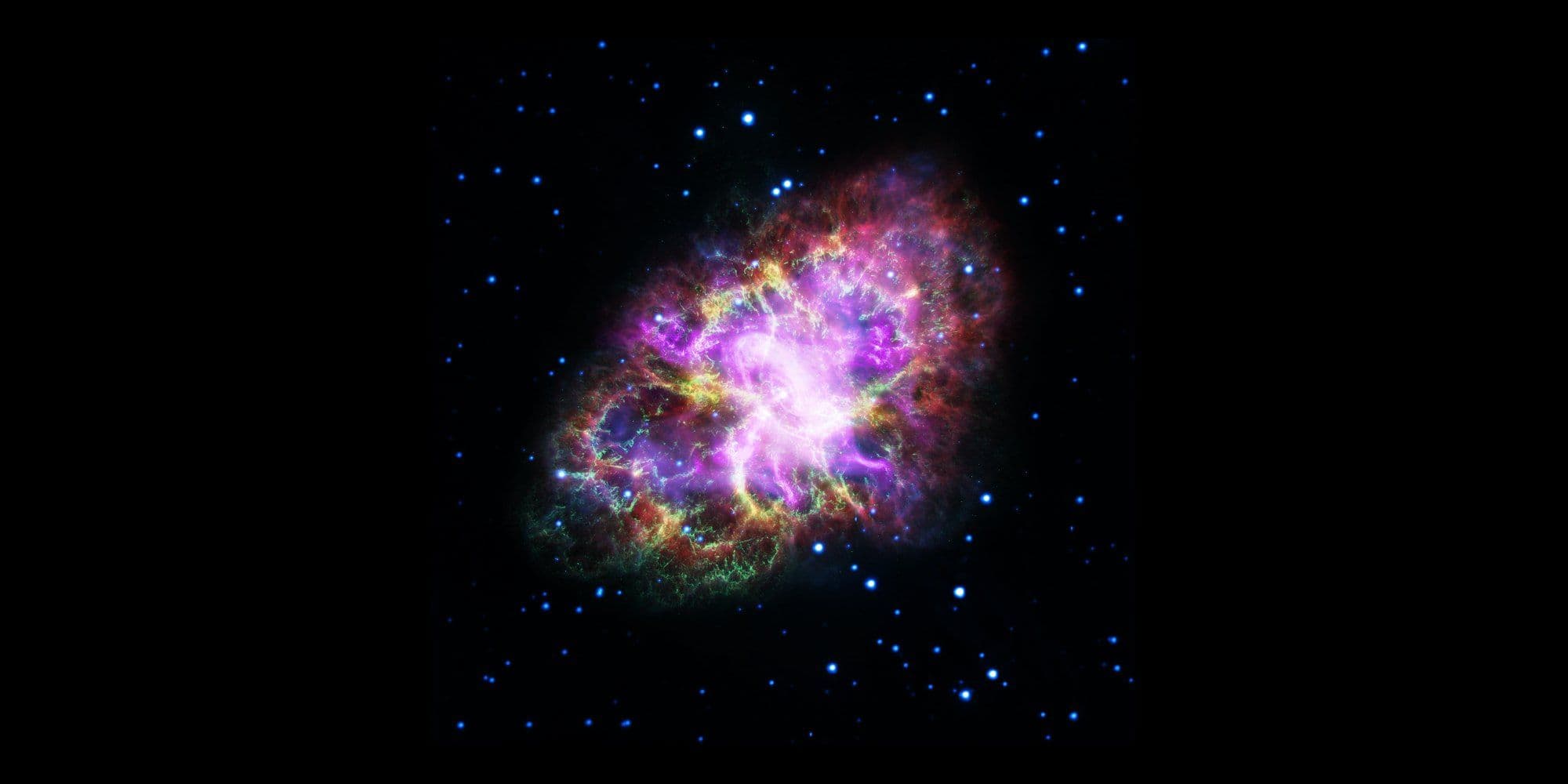
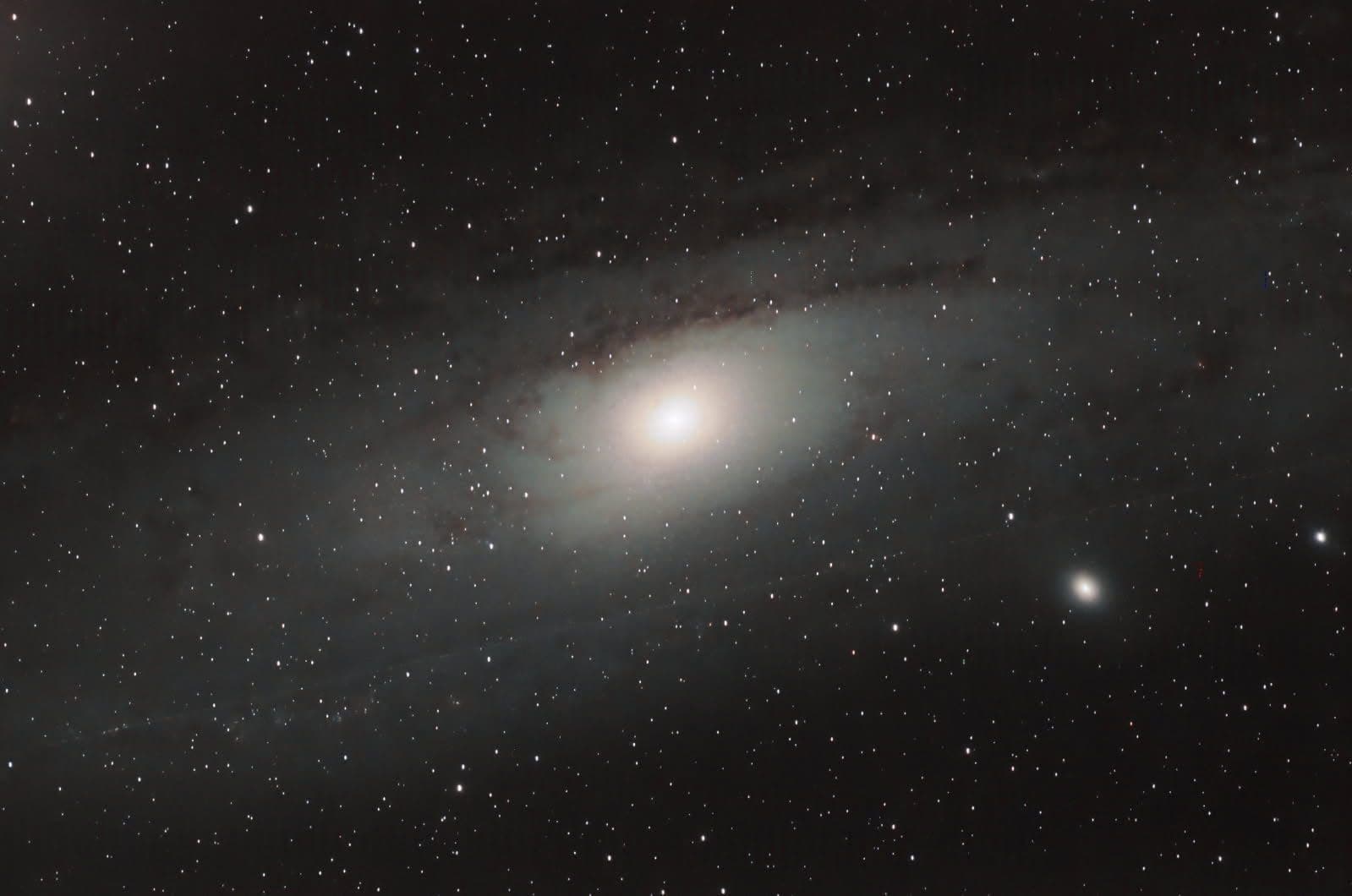
To pass the time we engaged our guests with our knowledge of many of the stars and constellations in the sky. We shared star stories like the southern Paiute story regarding the North Star “Qui-Ami Wintook Pootsie” in their language. We also discussed the life phases of stars, how they come to be, and how they enrich the universe when they die by creating all of the heavier elements when they eventually supernova. We humans are literally made of star dust. We owe our physical existence to them.
We also explained more about the moon, facts, and figures, present day topics like the Artemis expeditions and also how this month’s moon is called the worm full moon due to this being the threshold in the year when the ground begins to thaw and earthworms begin their incredible work to reinvigorate the soil on the planet so that all life can begin anew and the cycle of everything living can begin once again.
And, this being the Chinese year of the fire horse, the year of new beginnings, this experience really brought a sense of awakening to my soul.